Generic

Information About Your Quote

Choosing the right diesel or gas engine is a critical decision that affects performance, reliability, and total cost of ownership.

Here, you'll find expert insights and proven practices to help you make an informed, confident choice backed by data and industry expertise.

Replacement Engine Viability

Expert guidance designed to help you make the right decision for your situation.

Why Remanufactured Image

Why Reman?

OEM-Level Quality—Without Paying OEM Prices
new vs reman vs rebuilt

Engine Options: The Case for New vs Reman vs Rebuilt

Find the Best Balance of Cost, Risk, and Uptime—Discover Which Engine Option Fits Your Goals Best
why reviva

Only Select a Credible, Established Engine Provider

Protect Your Investment and Reduce Risk—How to Make Sure Your Engine Provider is as Reliable as Your Engine

Important Reman FAQs (select your role)

Q: Why do people buy remanufactured engines?

A: People choose remanufactured engines to save money, get a high-quality replacement that performs like new, benefit from warranty protection, and make an environmentally responsible choice. A rigorously remanufactured engine restores worn components and delivers reliable, long-lasting performance at a fraction of the cost of a new engine.

Q: What are the key benefits of a remanufactured engine?

1. Cost-Effective Savings

Remanufactured engines offer significant cost savings compared to buying new. You get comparable performance and reliability at a much lower initial investment.

2. High Quality & Reliability

During the remanufacturing process, every engine is fully disassembled, precision-cleaned, inspected, and rebuilt. All worn components are replaced, and the final build meets or exceeds OEM specifications—ensuring dependable performance.

3. Environmentally Friendly Choice

Remanufacturing reuses major engine components, reducing waste and minimizing the need for new raw materials. It’s a sustainable, eco-conscious option for engine replacement.

Q: Do remanufactured engines come with a warranty?

A: Yes. Reputable remanufactured engines typically include warranties that cover a specific duration or mileage. This protection provides peace of mind and safeguards you against defects.

Q: How long will a remanufactured engine last?

A: With new or refurbished components and strict quality testing, a properly remanufactured engine can deliver many years of dependable service—comparable to a new engine when properly maintained.

Q: Why should commercial owner-operators consider a remanufactured engine?

A: For commercial vehicles, a remanufactured engine delivers a major cost advantage compared to a new engine and offers far greater reliability and longevity than a used or rebuilt engine. It’s an ideal option for owner-operators who need to control expenses, reduce risk, and minimize downtime.

Q: How reliable and durable is a remanufactured engine?

A: A remanufactured engine is restored to — or exceeds — original OEM specifications, making it significantly more dependable than a basic rebuilt engine that replaces only failed parts.

Key reliability advantages include:

  • Complete overhaul: Technicians fully disassemble the engine, clean and inspect every component, and replace all wearable parts with new or expertly re-machined ones.
  • Corrected factory flaws: Remanufacturers use decades of performance data to address original design weaknesses, often improving on the OEM design.
  • Thorough testing: Engines undergo comprehensive testing, including dynamometer validation of performance metrics such as horsepower, torque, compression, oil pressure, and more.
  • Performance & longevity: This rigorous process results in an engine that delivers performance and service life comparable to a brand-new engine.

Q: How cost-effective is a remanufactured engine for commercial applications?

A: Remanufactured engines offer major savings that strengthen your bottom line.

Cost advantages include:

  • Lower upfront cost: High-quality remanufactured engines are typically 20% less expensive than new engines.
  • Reduced operating expenses: Updated components and design improvements often result in better fuel efficiency and fewer repairs.
  • Maximized vehicle value: Replacing the engine extends the life of your truck, delays major capital investments, and may boost resale value.

Q: Does a remanufactured engine help reduce downtime?

A: Yes. For commercial trucking, minimizing downtime is critical, and remanufactured engines are designed to help.

Downtime reduction benefits include:

  • Faster turnaround: Remanufactured engines are often available sooner than a new build or complex used-engine repair.
  • Improved reliability: Rigorous testing and enhanced durability reduce the likelihood of unexpected breakdowns, protecting against costly, unplanned downtime.

Q: Are remanufactured engines better for the environment?

A: Absolutely. Choosing a remanufactured engine supports sustainable business practices.

Environmental benefits include:

  • Reduced waste: Engine cores and major components are reused, avoiding landfill disposal.
  • Resource conservation: Remanufacturing consumes significantly less energy and fewer raw materials than producing a new engine.
  • Lower emissions: Updated components can improve fuel efficiency and reduce overall emissions.

Q: Do remanufactured engines include warranty protection?

A: Yes. Reputable remanufacturers, including Reviva, provide strong warranty coverage.

Warranty benefits include:

  • Comparable to new: Many remanufactured engines carry warranties similar to new engines.
  • Risk mitigation: Unlike used engines—which often come with no warranty—a remanufactured engine protects you from defects and major unexpected expenses.

Q: Why should commercial fleets consider remanufactured engines?

A: Remanufactured engines provide significant cost savings, improved reliability, faster turnaround times, and a more sustainable alternative to buying new. They are an especially high-value option for aging vehicles or fleets looking to reduce operating costs while maintaining performance and uptime.

Q: What are the financial benefits of choosing a remanufactured engine for a fleet?

A: Major financial advantages include:

  • Lower cost: Remanufactured engines are typically 20% less expensive than new engines—generating substantial savings across a multi-vehicle fleet.
  • Extended vehicle lifespan: A remanufactured engine allows a commercial vehicle to remain in service for many additional years, deferring costly equipment replacement.\
  • Improved resale value: Vehicles with a recently remanufactured engine are more valuable on the secondary market than those with worn or failing engines.
  • Warranty protection: Many reputable remanufacturers offer warranties comparable to new engines, protecting your investment and reducing risk.

Q: How reliable are remanufactured engines compared to rebuilt or used engines?

A: Remanufactured engines offer significantly higher reliability and quality because they are restored to strict OEM standards—not just repaired.

Key reliability benefits include:

  • Built to OEM standards: Remanufactured engines are completely disassembled, inspected, cleaned, and rebuilt to meet or exceed original equipment manufacturer specifications.
  • Engineered for longevity: Known design issues are often corrected during the remanufacturing process, incorporating updated components and newer technology.
  • Rigorous testing: Before leaving the facility, remanufactured engines undergo extensive testing and quality control to ensure dependable performance under real-world operating conditions.

Q: How do remanufactured engines help reduce fleet downtime?

A: Reducing downtime is critical for fleet performance—and remanufactured engines are designed to get vehicles back in service faster.

Downtime reduction advantages include:

  • Faster replacement: Installing a remanufactured engine is typically much quicker than performing a full overhaul on a failed engine or waiting for a new one to be built.
  • Shelf availability: Reviva maintains ready-to-ship remanufactured engines, significantly reducing turnaround time and maximizing fleet uptime.

Q: Are remanufactured engines a more sustainable option?

A: Yes. Choosing a remanufactured engine reduces waste, conserves materials, and lowers environmental impact compared to manufacturing a new engine. Fleets benefit financially while supporting sustainable operational practices.

Why Remanufactured Engines Make Financial Sense

Q: Why should Purchasing or Finance consider a remanufactured engine?

A: Remanufactured engines deliver significant cost savings, like-new reliability, and environmental benefits—all while extending the life of existing fleet assets.

Cost & Financial Impact

Q: How much cheaper is a remanufactured engine compared to new?

A: Typically, about 20% less, creating immediate savings that can be redirected to higher-value initiatives.

Q: Does choosing reman affect depreciation or associated ownership costs?

A: Yes—in a positive way. Replacing an engine avoids the depreciation, taxes, licensing fees, and insurance increases tied to purchasing a new vehicle.

Q: What is the long-term financial value of choosing reman?

A: A high-quality reman engine can last as long as a new engine, allowing fleets to extend vehicle life and avoid recurring repair expenses.

Reliability & Quality Assurance

Q: Is the quality comparable to a new engine?

A: Yes. Reman engines are rebuilt to meet or exceed OEM specifications, offering like-new performance.

Q: How do I know the engine is reliable?

A: Reputable remanufacturers use advanced testing (including dyno testing under load) to ensure durability for heavy-duty commercial use.

Q: Can remanufacturing fix OEM design weaknesses?

A: Often, yes. The process can correct known factory flaws, making the engine more durable than the original design.

Q: What warranty protection comes with a reman engine?

A: High-quality remanufactured engines typically include a comprehensive parts-and-labor warranty, sometimes stronger than OE coverage.

Operational & Asset Management Benefits

Q: Will a remanufactured engine reduce downtime?

A: Yes. Many reman engines are in stock and ready to install, resulting in a far faster turnaround than sourcing a new engine or performing a full rebuild.

Q: How does choosing reman support better asset management?

A: It allows fleets to extend the useful life of existing vehicles, deferring the high capital cost of new truck purchases.

Environmental & Sustainability Impact

Q: Is remanufacturing environmentally beneficial?

A: Very much so. It reuses major components, reducing landfill waste.

Q: Does choosing reman reduce raw material and energy consumption?

A: Yes. Remanufacturing requires far fewer new materials and consumes significantly less energy than building a brand-new engine.

Q: How does a reman engine affect carbon footprint?

A: It has a substantially lower carbon footprint because the process uses far less energy than manufacturing a new engine from scratch.

Q: Are there efficiency or emissions benefits?

A: Yes. Reman engines often deliver better fuel efficiency and lower emissions than the worn engine they replace.

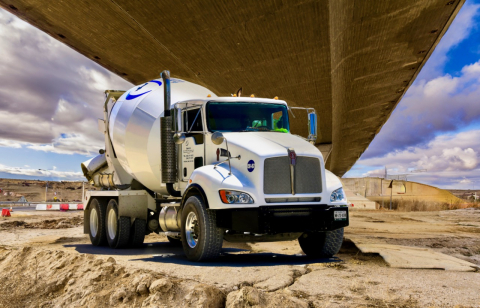
Q: Why should business owners consider remanufactured engines for their commercial fleet?

A: Remanufactured engines offer significant cost savings, high-quality performance that meets or exceeds OEM specifications, reduced downtime, and strong warranty protection. For businesses focused on managing expenses and maximizing vehicle life cycles, they provide a reliable, financially smart, and operationally efficient alternative to buying new or repairing failing engines.

Q: How cost-effective is a remanufactured engine for a commercial fleet?

A: Key financial advantages include:

  • Lower upfront cost: Remanufactured engines typically cost 20% less than new engines, delivering major savings—especially for fleets maintaining multiple vehicles.
  • Enhanced fuel efficiency: Updated components and technology can improve fuel economy compared to older engines, reducing long-term operating costs.
  • Predictable budgeting: Extensive testing and warranty coverage eliminate many of the unknown risks associated with used engines, allowing for stable, dependable financial planning.

Q: Are remanufactured engines high quality and reliable?

A: Yes. Remanufactured engines are restored using a comprehensive process designed to meet or exceed OEM standards.

Quality and reliability benefits include:

  • Meets or exceeds OEM specifications: Engines are completely disassembled, cleaned, and rebuilt with new or expertly reconditioned critical components such as gaskets, bearings, pistons, and rings.
  • Rigorous testing: Engines undergo extensive quality testing—often on a dynamometer—to validate performance, durability, oil pressure, compression, and reliability.
  • Reliable long-term performance: Due to the systematic restoration process and testing protocols, a properly remanufactured engine can deliver performance and dependability equivalent to a brand-new engine.

Q: Does choosing a remanufactured engine help reduce vehicle downtime?

A: Absolutely. Minimizing downtime is essential for business operations, and remanufactured engines support this goal.

Downtime reduction advantages include:

  • Faster turnaround: Replacing a failed engine with a readily available remanufactured unit is significantly faster than repairing or rebuilding an existing engine.
  • Quick installation: Remanufactured engines are engineered for direct replacement, ensuring compatibility with existing mounts and electronics and streamlining the installation process.

Q: What warranty protection is available with remanufactured engines?

A: Warranty protection is a major advantage over used or rebuilt engines.

  • Comprehensive coverage: Reputable remanufacturers offer strong parts-and-labor warranties, sometimes even with unlimited mileage options.
  • Peace of mind: Extensive testing combined with robust warranty protection provides business owners with confidence and long-term security in their investment.

Q: Are remanufactured engines environmentally sustainable?

A: Yes. Choosing a remanufactured engine is both economically and environmentally responsible.

Environmental benefits include:

  • Reduced landfill waste: Reusing the core engine block and components prevents large metal assemblies from ending up in landfills.
  • Resource conservation: Remanufacturing consumes significantly fewer raw materials and less energy than building a brand-new engine, reducing the overall carbon footprint associated with fleet maintenance.

Post Sale Support

What you should expect from any engine provider

An engine purchase isn’t just about the upfront price—it’s also about how well you’re protected after installation. A strong warranty and support program reduces your risk, protects your investment, and keeps your vehicle or equipment working as expected.
Use the following information to evaluate any vendor’s warranty and support program and to understand the actions that protect (or jeopardize) your coverage.

Warranty basics you should expect from any provider.

When you review warranty information from any engine vendor, look for clear, written answers to questions like:

  • What is covered?
    • Parts only, or parts and labor?
    • Coverage for long blocks vs. complete drop-in engines.
  • How long is the coverage?
    • Time (e.g., 12, 24, 36 months) and/or mileage/hours (e.g., 100,000 miles, 3,000 hours).
  • Where can repairs be done?
    • Any reputable repair shop, or only specific facilities?
  • What is not covered?
    • Normal wear-and-tear items, misuse, lack of maintenance, or pre-existing vehicle issues.
  • How is labor paid?
    • Standard labor-rate, capped hourly rate, and any stated warranty labor rates, reimbursement and reasonable repair times.
  • What is the claim process?
    • Who to call, what information you need, and what approvals are required before work begins.

If these details are unclear or hard to get in writing, that’s a signal to ask more questions before you commit.

Actions that can protect—or jeopardize—your warranty

Most engine warranties require you to follow certain steps. Skipping them can delay or even void your coverage, regardless of the provider. Below are common expectations you’ll see in warranty terms.

  • At delivery: inspection before signing
  • Inspect the shipment before signing the delivery receipt.
    • Look for visible damage to the packaging or engine.
    • Take photos and note any damage on the freight carrier’s paperwork before signing.
  • Why it matters:
    • Freight damage is often handled differently than manufacturing defects.
    • If damage isn’t documented at delivery, the freight carrier or vendor may not cover it under warranty.
  • At installation: follow provider instructions
  • Use the installation instructions provided by the engine manufacturer or remanufacturer.
    • Follow torque specs, priming procedures, and any required flush/cleaning steps.
    • Replace required components (e.g., filters, hoses, coolers) as instructed.
  • Why it matters:
    • Improper installation is a leading cause of failures that are not covered by warranty.
    • Skipping required steps may be considered misuse or neglect.
  • During operation: proper fluids and use
  • Use approved fluids, filters, and parts.
    • Follow the recommended oil type, coolant, and service intervals.
  • Operate within normal parameters.
    • Avoid overloading, severe overheating, or operating outside recommended limits.
  • Why it matters:
    • Using incorrect fluids or severely abusing the engine can be classified as misuse and may void coverage.
  • Ongoing: maintenance and records
  • Perform regular maintenance per the recommended schedule.
  • Keep documentation.
    • Save invoices and service records showing oil changes, filter replacements, and major repairs.
  • Why it matters:
    • In the event of a claim, vendors often request maintenance history.
    • Good records help demonstrate that you’ve taken proper care of the engine.

Common issues that can limit or void warranty coverage

While every provider’s terms are different, many warranties limit or exclude coverage when:

  • Freight damage is not documented at time of delivery.
  • The engine is installed or repaired by someone who does not follow the provider’s instructions.
  • Required components (e.g., oil cooler, injectors, filtration) are not replaced or serviced as specified.
  • The engine is modified (emissions-deleted) or “tuned” beyond OEM specifications.
  • Maintenance schedules are ignored, or there is no documentation to support proper maintenance.
  • Failures are caused by other vehicle or equipment systems (cooling, fuel, electrical) that were not repaired.

The goal of these terms isn’t to deny coverage—it’s to ensure the engine is installed, used, and maintained in a way that supports long, reliable life.

What strong after-sale support looks like

Beyond the written warranty, a reputable provider should offer:

  • Technical support:
    • Access to knowledgeable technicians to help with installation questions and troubleshooting.
  • Clear claim handling:
    • A defined process for opening a claim, getting authorization, and understanding what’s covered.
  • Flexible repair options:
    • The ability to work with any local, reputable repair facility to minimize downtime, rather than limiting you to OEM-certified dealerships only.
  • Parts support and documentation:
    • Build records or component information to quickly identify the right replacement parts if needed.

When evaluating engine options, consider both the warranty terms and the quality of support behind them. Together, they significantly reduce your risk and maximize the long-term value of your engine investment.